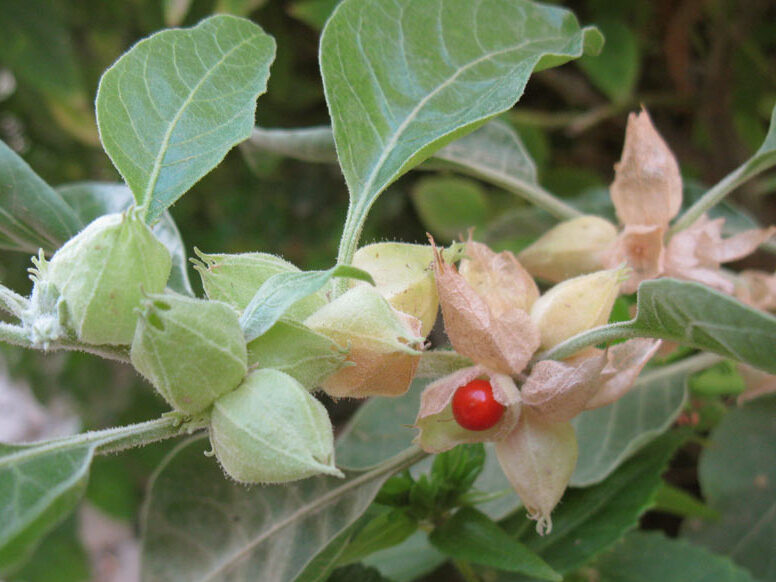
Ashwagandha, aslo known as Withania somnifera or Indian ginseng, is one of the most powerfull and well reached herbs in Ayuemadic medicine. For centuries, it has been used as a natural remedy to promote strength, vitality and longevity. The name “Ashwagandha” comes from Sanskrit, meaning “smell of the horse”, symbolizing its ability to its imarpt the strenght and stamina of a horse. Today, Ashwagandha has gained global recognition as a potent adaptogen, helping the body manage stress, improve immunity and enhance overall health.
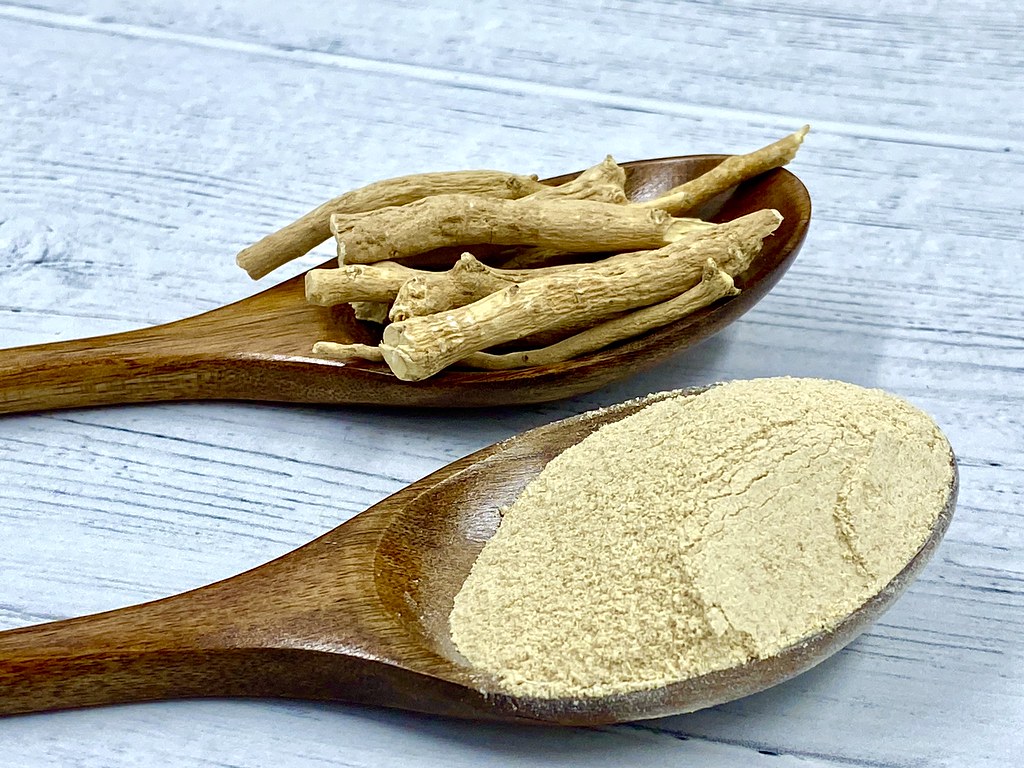
In this article, we will explore the histroy, nutritional profile, health benefits, usage, and potential side effects of Ashwagandha.
Historical and Traditional Importance
Ashwagandha has a long history in Ayurbeda, dating back over 3,000 years. It is classified as a Rasayana, a renjuvenating herb that promotes youthfulness, mental clarity, and physical strength. Traditionally, it has been prescribed for:
- Enhancing energy levels and stamina
- Improving fertility and sexual vitality
- Supporting mental focus and relaxation
- Boosting immunity and recovery

Ancient Ayurvedic texts describes Ashwagandha as a herb that brings balance to the body by reducing stress, supporting the nervous system, and nourishing tissues.
Nutritional and Active Compounds
Ashwagandha contains a variety of bioactive coumpounds that contribute to its medicinal properties:
- Withanolides- natural steroids with anti-inflammatory and anti stress effects.
- Alkaloids- help regulate biological functions.
- Saponins- support immunity and cardiovascular health.
- Iron- beneficial for improving hemoglobin levels.
These compounds make Ashwagandha a powerful adaptogen and natural remedy for multiple health concerns (Ashwagandha: The Ancient Herb for Morden Wellness).
Health Benefits of Ashwagandha
- Reduces Stress and Anxiety
One of the most recogonized benefits of Ashwagandha is its ability to reduces stress. As an adaptogen, it helps balance cortisol levels, the hormone resposible for stress response. Several clinical studies show that Ashwagandha supplementation lowers anxiety and improves resilence to daily stressors.
2. Improves Sleep Quality
Ashwagandha has natural calming properties that support better sleep. It reduces overactivity in the nervous system, allowing the body to relax. This makes it especially useful for people with insomnia or sleep disturbance caused by stress.

3. Boosts Energy nad Stamina
Traditionally, Ashwagandha has been used to improve strength and endurance. Modern research supports this, showing that it enhances oxygen consumption, reduces fatigue, and boosts physical performance. Athelets often use it to support muscle recovery and overall fitness.
4. Supports Brain Health
Ashwagandha is known for its neuroprotectives effects. It improves memory, concentration and congnitive function by reducing oxidative stress and inflammation in the barin. some studies even suggest it may help in conditions like Alzheimer’s and Parkinson’s disease.
5. Enhances Immunity
Rich in antioxidants and immune-boosting compounds, Ashwagandha strengthens the body’s defense system. It helps increase white blood cell count, making the body more resistant to infections and illnesses.
6. Balances Hormones and Supports Fertility
Ashwagandha has been traditionally used as a natrural aphrodisiac. It boosts testosterone levels in men, improves sperm quality and enhances reproductive health. In women, it helps balance hormones, support menstrual health, and reduce symptoms of stress related infertility.
7. Reduces Inflammational and Supports Joints Health
Its anti inflammatory properties make Ashwagandha effective in effective in reducing pain and stifness in conditions like arthritis. It lowers inflemmatory markers in the body and supports joint flexibility.
8. Aids in Managing Blood Sugar levels
Research suggests that Ashwagandha may help regulate blood sugar level by improving insulin sensitivity. This makes it beneficial for people with prediabetes or type 2 diabetes when used along with a healthy lifestylle.
9. Promotes Heart Health
By reducing stress, cholesterol and blood pressure, Ashwagandha supports cardiovascular health. Its antioxidants effects also protect the heart from oxidative damage.
How to Use Ashwagandha
Ashwagandha is available in various forms and the right dosage may vary depending on the purpose:
- Powder (Churna): Traditionally consumed with warm milk or honey.
- Capsules/Tablets: Convenient for daily supplementation.
- Liquid Extracts: Faster absorption, used in Ayurvedic preparations.
- Tea/Decoction: Made by boiling the root in water for a soothing drink.
General Dosage (may vary depending on brand and concentration):
- Powder: 3-6 grams per day
- Capsules: 300-6000 mg once or twice in a day
- Extract: As per products instructions
It’s always best to consult a healthcare provider or Ayurvedic practitioner before starting Ashwagandha, especially if you are on medication.
Possible Side Effects and Precautions
Ashwagandha is generally safe when taken in recommanded doses, but excessive consumption may cause side effects such as:
- Upset stomach or diarrhea
- Drowsiness
- Overstimulation in some indivisuals
Precautions:
- Pregnant and breastfeeding women should avoid it unless advised by a doctor.
- People with thyroid disorders, autoimmune conditions, or those taking sedatives should consult a healthcare provider before use.
Conclusion
Ashwagandha is truly a gift from Ayurveda an herb that bridges ancient wisdom and modern science. Its wide range of benefits, from reducing stress and improving sleep to boosting immunity and supporting reproductive health, makes it a versatile natural remedy.
Bet88comvn, alright lads, this site’s got a smooth interface and a good selection of games. I’ve had decent luck there, and the bonuses are alright. Give it a burl: bet88comvn