Boiling is one of the oldest and most fundamental methords of cooking. it involves submerging food in water or broth that is heated to its boiling point, typically 100′ C (212′ C) at sea level, to cook the ingredients, This method hag been used for centuries across cultures to prepare a wide variety of dishes. The simplicity and effectiveness of boiling make it a favorite choice for many cooks, from beginners to seasoned chefs, in this article, we will explore the process of boiling food, the benefits of boiling, tips for successful boiling, and the types of foods that benefit the most from this cooking method.

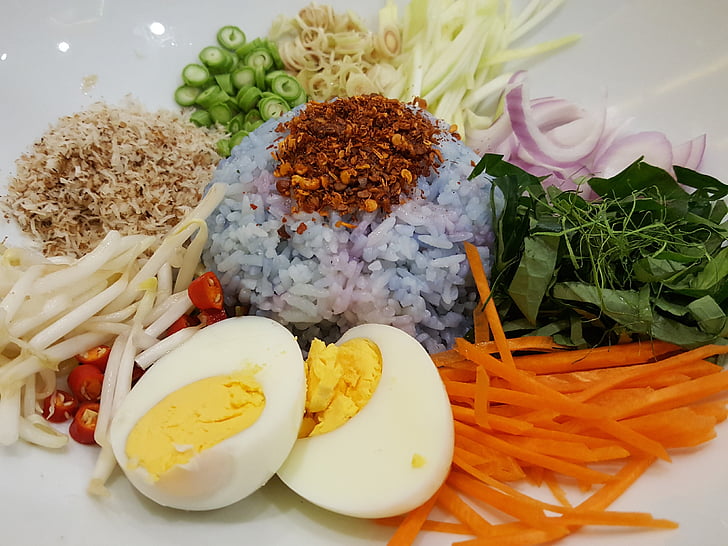
The Process of Boiling Food
The process of boiling food is simple and starightforward. Here are the basic steps involved:
The Benefits of Boiling Food
Preparation: Start by preparing the food you plain to boil, this could involves washing, peeling, chopping or cutting the ingredients into the appropriate size, for instance, vegitables like potatoes or carrots may need to be peeled and chopped into cubes or slices, similarly, meat or poultry may need to be trimmed or cut into smaller pieces.

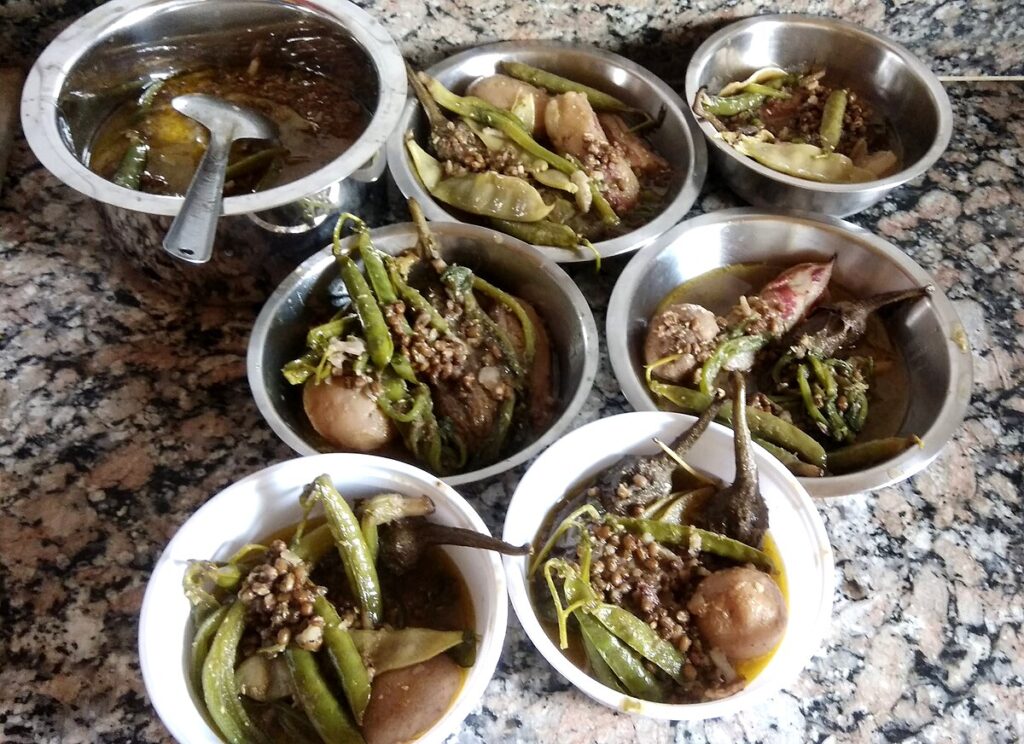
Water: Fill a pot with enough water to fully submerge the food, it’s essentials to use clean water, as the taste and quality of your food will depend on it. For some dishes, broth or stock can be used instead of water to add more flavor.
Boiling Point: Heat the water over medium-high to high heat until it reaches a rolling boil. A rolling boil occures when the water is bubbling vigorously and the bubbles are constantly rising to the surface.
Adding the Food: Once the water is boiling, carefully add the food to the pot. if you are boiling vegitables, it’s important not to overcrowd the pot, as this may lower the water temperature and result in uneven cooking.

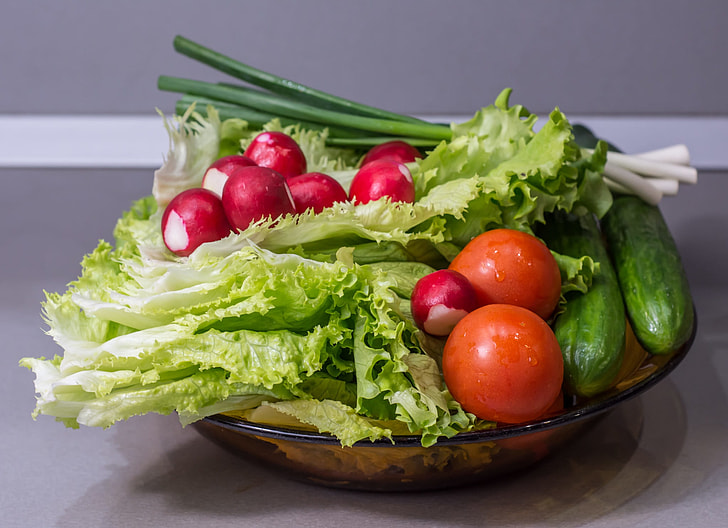
Cooking Time: Boil the food until it is tender and fully cooked. The time will vary depending on the type of food. For example, vegetables may take anywhere from 5 to 15 minuties to boil, while meat can take 30 minuties or longer. It’s important to keep an eye on the food and check for doneness periodically.
Draining and Serving: Once the food is cooked to your desire level of doneness, remove it from the water using a slotted spoon, tongs, or strainer. You can also drain the water entirely using a colander. The boiled food is now ready to be served or used in recipes.
- Nutrient Rentention: Boiling is often considered one of the healtiest cooking methods because it retains most of the netruents in food, especially when compared to methods like frying. Since the food is cooked in waterand not exposed to high amounts of fat, the essentials vitamins and minerals are better preserved.

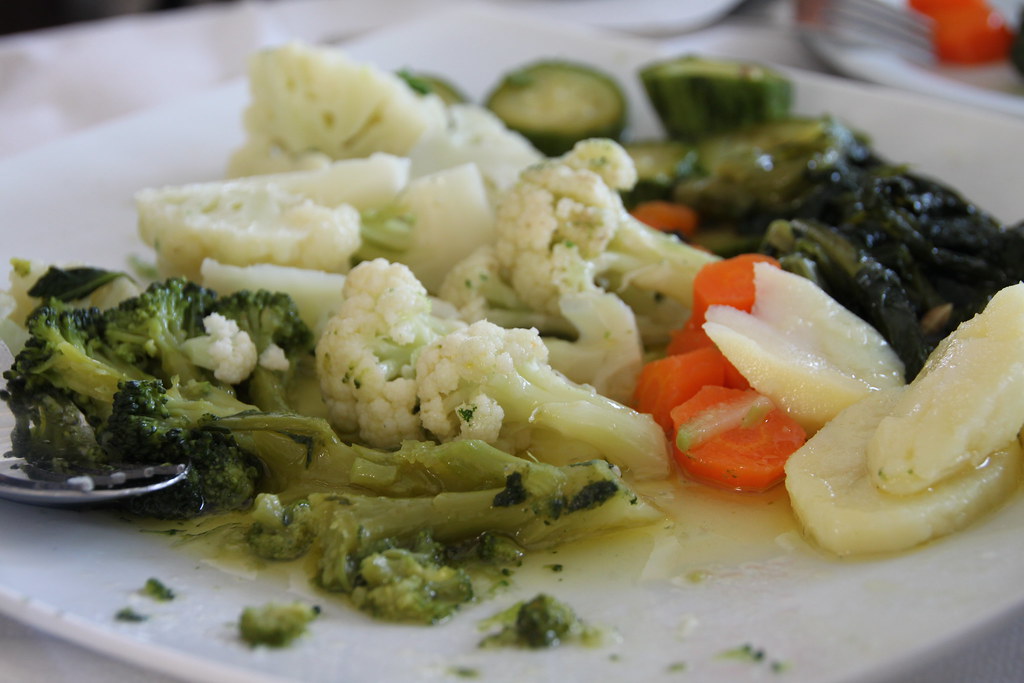
- No Added Fat: Unlike frying, boiling doesn’t require any oil or fat. This makes it a great option for those looking to reduce their calorie intake or follow a low fat diet. Boiling also ensures that the food’s natural flavours shine through without being masked by oil or butter.
- Easy to Control Temperature: Boiling allows you to easily control the cooking temperature. Once the water reaches a rolling boil, it remains at a consistent temperature, making it easier to avoid overcooking or undercooking food. This is especially helpful when preparing delicate ingredients like vegetables or eggs.

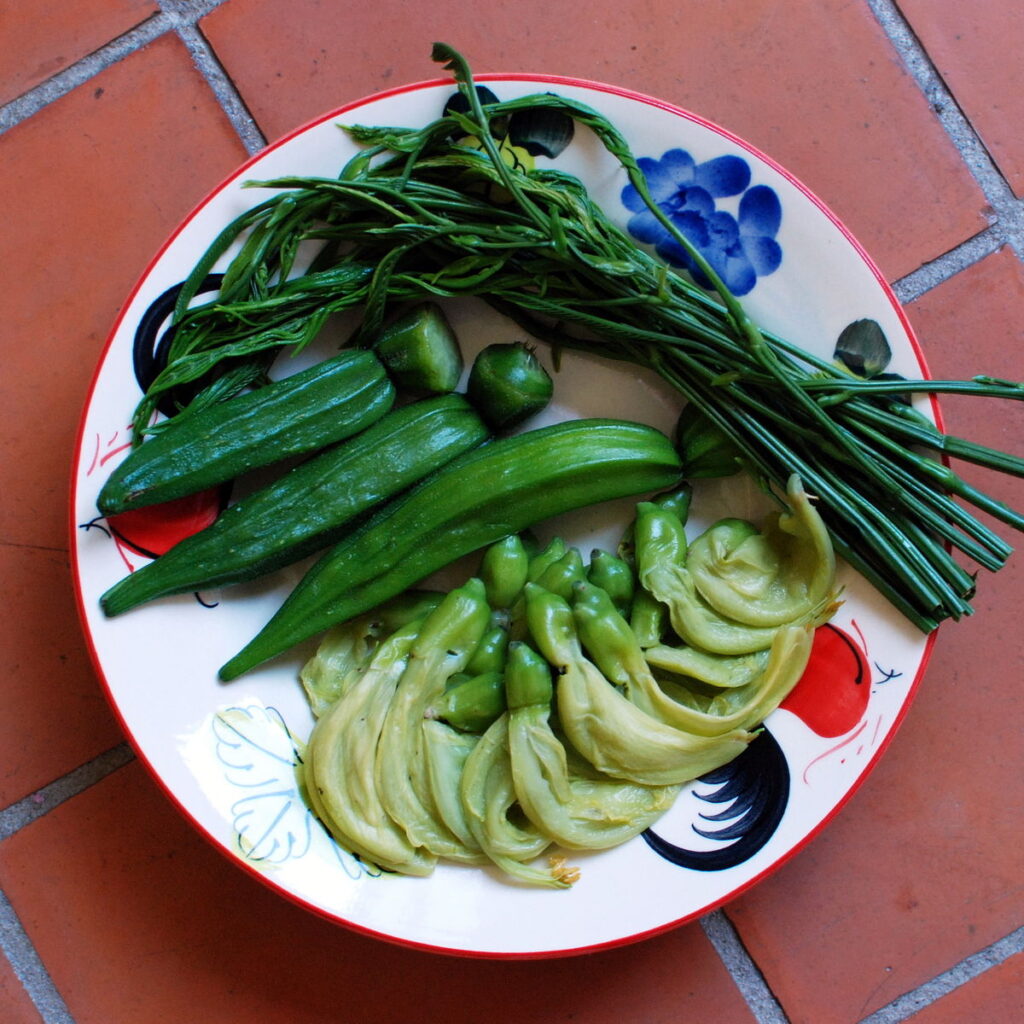
- Time-Shaving: Boiling is a relatively quicky cooking method, it’s an excellent choice for preparing large batches of food, especially for busy indivisuals or families. For instance, boiling potatoes or pasta takes a few minutes, and the food is cooked, it can served immediately or incorporated into other dishes.
- Versatility: Boiling is increadibly versatile and can be used for wide range of foods, from vegitables and grains to meats and fish. It’s also an essential technique for making broths, soups, stews and even desserts like custards and puddings.
- Health Benefits: Many people boli food as part of a weight-loss or detoxification regimen. Because boiling doesn’t require added fats or oils, it is a healthier cooking method that support weight management. Moreover, the proccess of boiling helps break down some of the complex carbohydrates in food, making them easier to digest.
Tips for Successful Boiling
- Use Enough Water: Always use enough water to fully submerge the food. This ensures even cooking and prevents the water temperature from dropping too much when the food is added. For optimal results, ensure the water covers the food by about an inch or two.
- Salt the Water: For added flavor, consider salting the water before adding the food. Salt enhances the taste of vegetables and pasta, giving them richer, more savory flavor. However, be mindful not to add too much salt, especially if you’re watering your sodium intake.
- Avoid Overcrowding: Don’t overcrowd the pot with too much food. This can cause the water temperature to drop, resulting in uneven cooking. if you have a lot of food to boil, it’s better to cook it in batches.
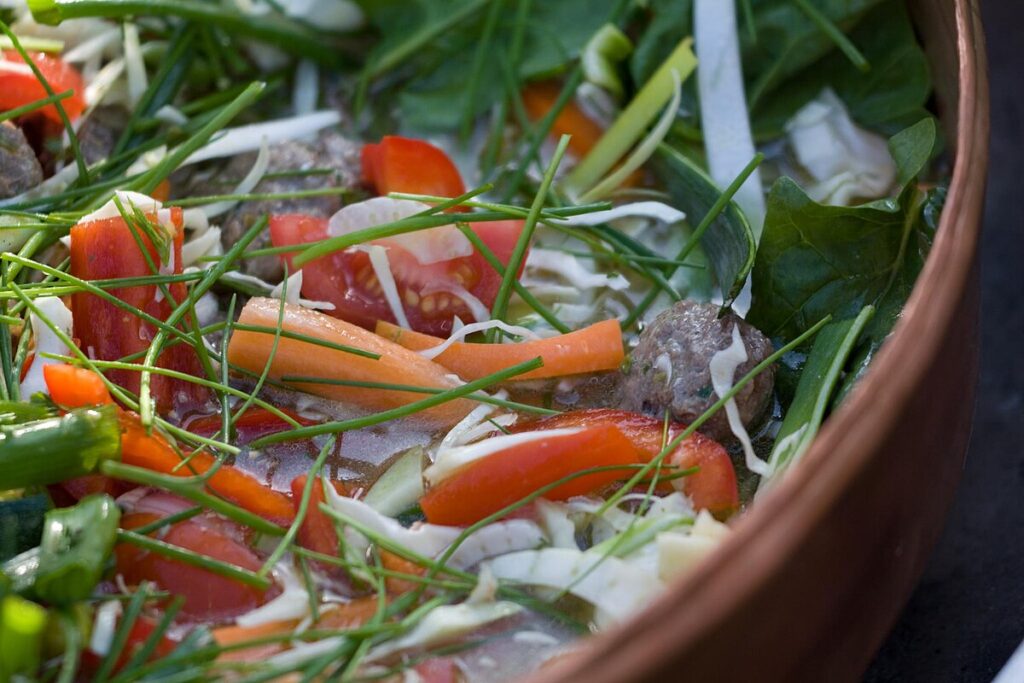
- Monitor Cooking Time: Different foods require different boiling times. Vegitables like peas or green beans cook in just few minutes, While root vegitables like potatoes may take longer. Always check the food periodcally to ensure it does not overcook or become mushy.
Types of Food Best for Boiling
- Vegitables: Most vegitables can be boiled, including potatoes, carrots, broccoli, spinach, and peas. Root vegitables like potatoes and sweet potatoes often need longer boiler times than leafy green like spinach or kale.
- Grain and Pasta: Rice, quinoa, pasta and other grains are frequently boiled. The process of boiling helps soften the grains, making them easy to digest and absorb other flavors.
- Eggs: Boiling is the best method for making hard or soft-boiled eggs. Simply place the eggs in cold water, bring to a boil, and cook for the drsired time (about 6-10 mintues for hard-boiled eggs).

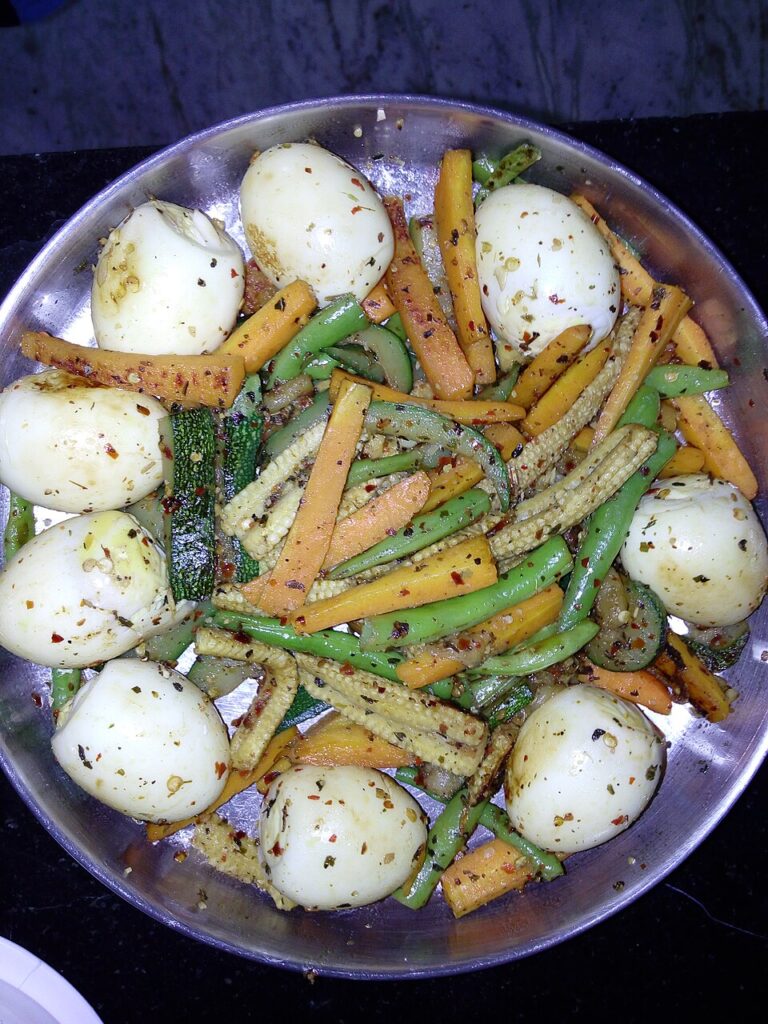
- Meats and Poultry: Certain meats, like chicken and pork, can be boiled. This method is often used for making stews, soups, and broths, where the meat will be cooked alongside vegitables and spices.
- Seafood: Boiling seafood like shirmp, lobsters or crabs is a popular method for cooking these delicate protines. The high heat of boiling ensures the seafood cooks quickly without becoming tough or rubbery.
Conclusion
Boiling food is a tried and true method that brings out the natural flavors and textures of a variety of ingredients. It’s a simple, healthy and versatile cooking technique that is essential in many kitchens. Whether you are boiling vegitables for a side dish, preparing a hearty soup, or making a delicious broth, the process of boiling is key to countless racipes. By following the basic principles and tips outlined in this article, you can ensure that your boiled dishes come out flavourful, nutritious, and perfectly cooked every time.
So, is Donalyn Jilibet the real deal? Hearing buzz. Gotta investigate myself! Check it: donalyn jilibet